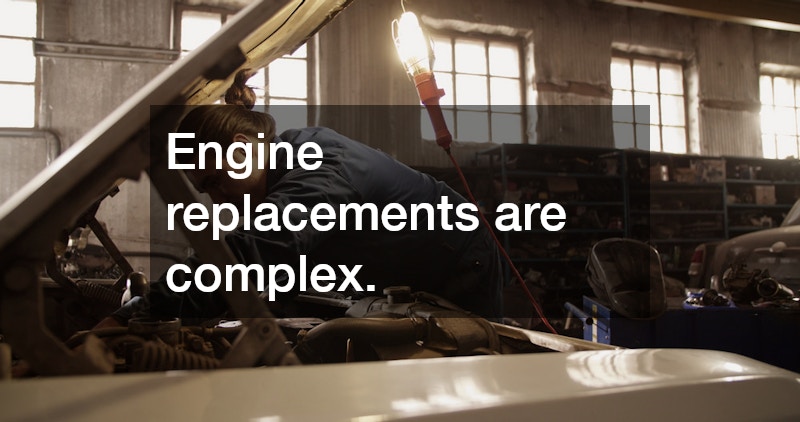
Replacing a car’s engine is one of the most significant and costly repairs a vehicle owner can face. Understanding the factors that influence engine replacement costs is essential for making informed decisions, budgeting effectively, and avoiding unexpected financial strain. By evaluating key considerations such as your car’s make and model, the type of replacement engine, labor expenses, and long-term cost implications, you can determine the most practical path forward.
What Are the Key Factors Influencing Engine Replacement Costs?
The make and model of a vehicle play a significant role in determining the cost of engine replacements. Luxury vehicles or rare models often require specialized engines or components that are more expensive and harder to source.
Mainstream or mass-produced cars typically have a wider availability of replacement engines, which can lower the cost. Additionally, certain models may require more complex installation procedures, further impacting labor costs. Knowing the specifications of your vehicle is the first step in estimating potential expenses.
The type of engine you choose significantly affects the overall cost. A brand-new engine generally comes with a premium price but often includes a manufacturer’s warranty, providing peace of mind. Rebuilt engines are another option; these have been disassembled, repaired, and tested, offering a balance between reliability and cost. Used engines, typically the most affordable choice, carry a higher risk of future mechanical issues and may lack warranties. The condition and mileage of the replacement engine are crucial considerations, as they directly influence longevity and reliability.
Labor is a major component of engine replacement expenses. Mechanics charge varying rates depending on experience, shop reputation, and regional market conditions. Urban areas often have higher labor rates than rural locations, which can add hundreds or even thousands to the total cost. The complexity of your vehicle’s engine design also affects labor hours; some engines are more difficult to remove and replace due to tight engine bays or advanced electronics. Understanding local labor rates and the complexity of the work is critical for accurate budgeting.
Is It More Cost-Effective to Replace the Engine or Buy a New Car?
Before committing to an engine replacement, consider the age and overall condition of your car. Older vehicles with significant wear and tear may not justify the cost of a new engine, as other components like the transmission, suspension, and electronics may also require repairs in the near future. Conversely, a well-maintained car with minimal issues outside the engine may benefit from a replacement engine, extending its lifespan and providing years of reliable use.
Replacing a car’s engine is not an isolated expense. Anticipated future maintenance and repairs should factor into the decision. If your vehicle has a history of frequent breakdowns or aging components, investing in a new engine might not be cost-effective. Conversely, if your car has been consistently reliable, an engine replacement could be a smart investment that avoids the higher cost of purchasing a new vehicle.
Engine replacements can also affect your car’s resale value. Installing a high-quality engine, especially one with a warranty, may increase the vehicle’s market value or at least maintain it better than leaving a failing engine in place. However, the cost of replacement may exceed the added resale value for older or heavily depreciated vehicles. Calculating depreciation and potential resale outcomes helps determine whether engine replacement or buying a new car is the more financially prudent option.
How to Budget Effectively for an Engine Replacement
Obtaining multiple quotes from different mechanics and auto shops is essential to ensure competitive pricing. Each shop may source parts differently, charge varying labor rates, and offer different warranties. Comparing these estimates provides insight into reasonable costs and helps identify any outliers that may indicate overcharging or subpar service.
Warranties on replacement engines and labor can significantly influence overall cost-effectiveness. A well-covered engine reduces the financial risk of unforeseen mechanical issues after installation. Labor guarantees also ensure that the work is performed correctly, potentially avoiding expensive rework. Evaluating warranty terms is as important as comparing price quotes.
Engine replacements can be costly, often ranging from several thousand to tens of thousands of dollars, depending on the vehicle and engine type. Exploring financing options, such as personal loans or mechanic financing programs, allows owners to spread out the expense and manage cash flow effectively. Weighing interest rates, repayment terms, and the overall cost of financing ensures the replacement remains affordable.
Engine replacements are complex, high-stakes decisions that require careful consideration of multiple factors. The make and model of your car, the type and condition of the replacement engine, labor costs, and long-term financial implications all influence the final price. By gathering multiple estimates, understanding warranties, and considering financing options, car owners can make informed choices that balance cost, reliability, and vehicle longevity. A thoughtful approach ensures that engine replacements are not only necessary repairs but also sound financial decisions.