Owning a vehicle is rewarding, but it comes with responsibilities. Proper maintenance keeps your car safe, efficient, and looking its best while preventing costly repairs. Many drivers avoid routine upkeep, thinking it’s complicated or time-consuming, yet simple, consistent steps can prevent minor problems from becoming major issues.
A well-maintained car runs smoothly, consumes less fuel, and lasts longer. It also helps you avoid breakdowns, ensures the safety of you and your passengers, and maintains resale value. By understanding key areas that require attention, scheduling professional services, and taking small preventative steps at home, you can maintain your car with minimal hassle.
This guide explores practical strategies, professional services, and everyday tips to make car maintenance manageable and efficient. From braking systems to paint and electrical care, following these practices will help you protect your investment and enjoy driving with peace of mind.
Keeping Your Brakes in Top Condition
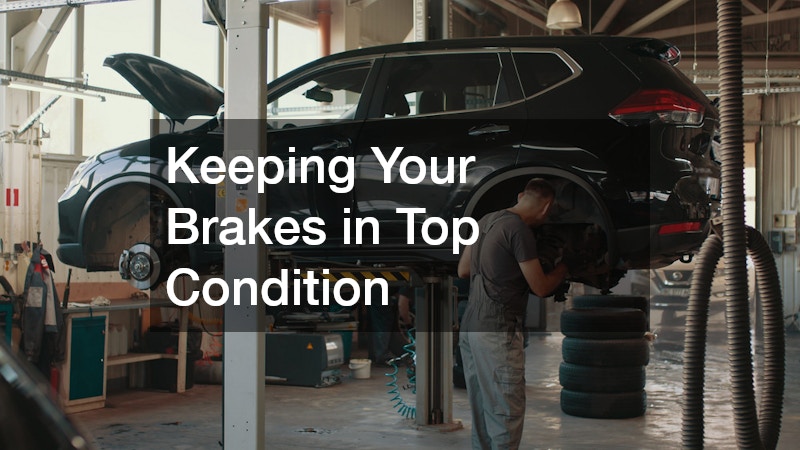
Your car’s braking system is one of the most important safety features, yet it is often overlooked until problems arise. Routine inspections and timely maintenance prevent serious issues, such as reduced stopping power or uneven brake wear. Foregoing expert auto brake repairs when your brakes are neglected can create unsafe driving conditions and strain other systems, including tires and suspension components.
Regular brake service includes checking pads, rotors, calipers, and brake fluid. Worn or damaged components can lead to vibrations, squealing, or a “spongy” pedal. Addressing these issues promptly ensures that your brakes respond reliably when you need them most. Professional technicians can identify hidden problems, such as minor leaks or uneven pad wear, which could escalate if left unaddressed.
Maintaining your brakes doesn’t just ensure safety—it also affects efficiency. Smooth, properly functioning brakes reduce unnecessary drag and stress on other mechanical systems. Combined with routine tire inspections and alignment checks, proactive brake care improves fuel economy, reduces wear on tires, and extends the life of your vehicle.
Diagnosing Electrical Issues
Modern cars rely heavily on complex electrical systems, which control everything from engine management and safety sensors to infotainment, lighting, and climate systems. Even small electrical issues, such as loose connections or sensor malfunctions, can lead to performance problems, reduced efficiency, and unexpected breakdowns if not addressed in a timely manner. In some cases, what seems like a minor glitch can affect multiple interconnected systems, amplifying the issue and potentially causing more costly repairs down the line.
Common electrical symptoms include flickering interior or exterior lights, malfunctioning accessories, intermittent power failures, or warning signals appearing on the dashboard. Professional technicians performing car electrical repairs use specialized diagnostic tools to identify wiring problems, failing sensors, battery issues, or faults in control modules. Their expertise ensures that both visible and hidden problems are addressed correctly, preventing recurring faults that could compromise the car’s reliability and safety. Early detection of electrical issues not only prevents expensive repairs but also keeps your vehicle operating efficiently.
Regular maintenance of a vehicle’s electrical system enhances overall performance and energy efficiency. Fully functioning electrical components ensure that your car runs with less wasted energy, maintain proper communication between onboard systems, and reduce strain on the battery and alternator. Proactive electrical care also preserves the functionality of modern features, such as advanced driver assistance systems, infotainment, and climate controls, which rely on consistent power flow. By addressing electrical problems promptly, drivers can avoid sudden failures, maintain safety, and ensure a smooth, efficient, and enjoyable driving experience.
Responding to Warning Lights
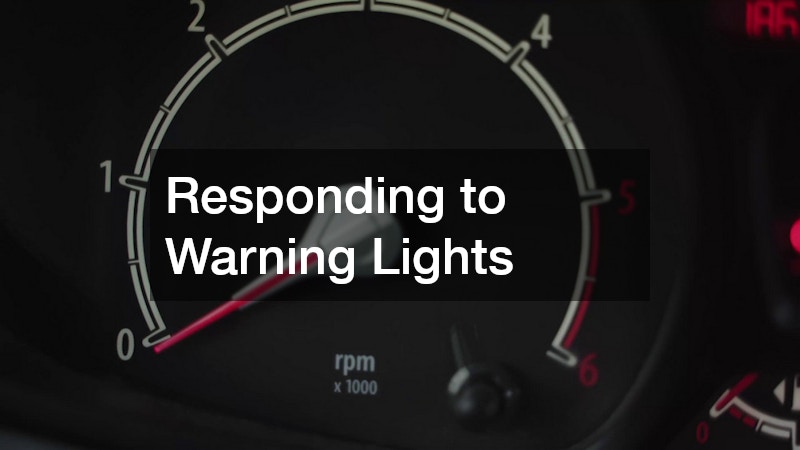
Dashboard alerts, such as the check engine light, signal that your car requires attention. While they may seem minor, these warnings often indicate issues affecting fuel efficiency, emissions, or engine performance. Ignoring them can result in expensive repairs and reduced reliability.
Professional diagnostics can pinpoint the cause of auto check engine lights, whether the issue is related to sensors, emissions systems, or mechanical components. Addressing these alerts quickly prevents minor problems from escalating and keeps your car performing optimally.
Monitoring and responding to dashboard warnings also protects energy efficiency. A malfunctioning engine or sensor can increase fuel consumption and place extra stress on the vehicle. Regular checks ensure your car operates smoothly, safely, and efficiently, minimizing both stress and cost over time.
Ensuring Proper Tire Alignment
Correct wheel alignment is essential for handling, tire longevity, and efficient driving. Misaligned wheels can lead to uneven tire wear, poor traction, and reduced fuel economy. Visiting a car alignment shop ensures your tires and suspension are properly adjusted according to manufacturer specifications.
Alignment services involve precise adjustments to angles such as camber, caster, and toe, improving stability and handling. Pairing alignments with tire rotations and inspections ensures smooth operation and longer tire life. Uneven tires or improper alignment not only affect safety but can also increase energy consumption due to rolling resistance.
Regular alignment checks maintain efficient, predictable vehicle performance. Vehicles that track correctly are easier to control, safer to drive, and less likely to develop additional mechanical issues. Keeping wheels properly aligned also contributes to lower long-term maintenance costs, as tires and suspension components wear more evenly.
Maintaining Advanced Safety Systems
Modern vehicles include sophisticated safety technologies, such as collision warning systems, lane departure alerts, and adaptive cruise control. These systems rely on sensors and cameras that must be accurately calibrated for optimal performance. Misaligned components can cause false alerts or system failures.
Even minor repairs or windshield replacements can affect sensor accuracy. Professional ADAS calibration ensures all safety systems function properly, protecting both occupants and other drivers on the road. Timely maintenance also keeps the vehicle compliant with safety standards and insurance requirements.
Properly maintained safety systems improve both reliability and efficiency. Vehicles with functioning automated systems operate more smoothly, using sensors to optimize engine performance and climate control, which can reduce fuel and energy consumption over time. Routine calibration preserves safety, efficiency, and peace of mind.
Protecting Your Vehicle’s Exterior
A vehicle’s exterior is constantly exposed to environmental factors that can cause wear and damage. Regular attention protects against corrosion, fading, and structural issues while keeping your car looking its best. Even small scratches or chips can lead to rust if left untreated.
Professional auto paint shops provide a range of services, from minor touch-ups to complete repaints. Skilled technicians match factory colors, prepare surfaces correctly, and apply durable coatings that withstand environmental stress. Maintaining the exterior not only enhances aesthetics but also prevents damage that could compromise underlying metal and components.
Routine exterior care, including washing, waxing, and periodic professional inspections, preserves both appearance and functionality. Timely repairs prevent corrosion and maintain resale value, while high-quality finishes improve durability and protect against sun and weather damage. Investing in exterior maintenance reduces stress, saves money, and prolongs the life of your car.
Addressing Weather Damage
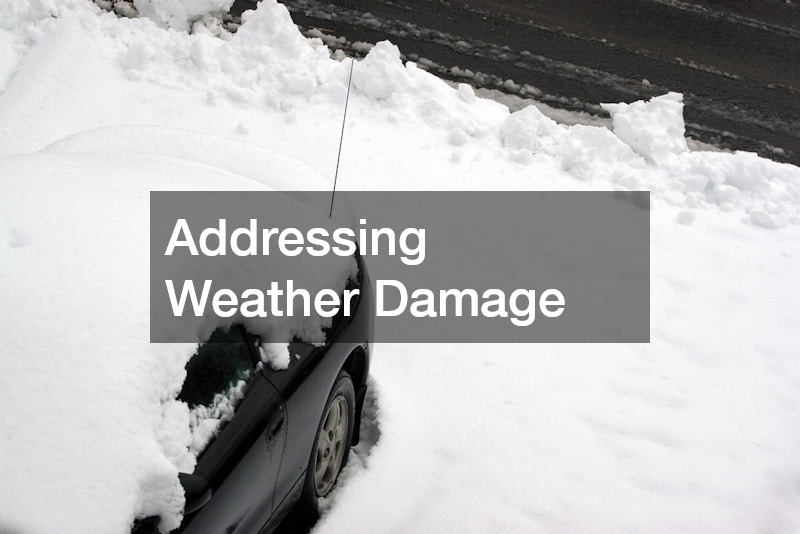
Hailstorms, debris, and other weather-related incidents can leave dents, chips, and minor damage on a vehicle. Even small dings may seem harmless initially, but they can expose metal surfaces and protective coatings, creating opportunities for rust and more extensive structural issues over time. Beyond the visible damage, moisture, dirt, and salt can accumulate in these weak spots, accelerating corrosion and potentially affecting adjacent panels.
Hail damage repair specialists use techniques such as paintless dent removal, careful panel replacement, and surface refinishing to restore the vehicle efficiently and professionally. These professionals also inspect underlying structures to ensure that hidden damage hasn’t affected critical components. Addressing weather damage promptly not only prevents corrosion but also maintains the vehicle’s structural integrity, which is vital for safety, resale value, and long-term reliability.
Timely attention to weather damage protects both aesthetics and function. Whether it’s a minor dent or a larger impact, professional repair prevents long-term deterioration, preserves the original finish, and ensures that the vehicle continues to perform efficiently. Proper repair also reduces drag caused by misaligned panels or uneven surfaces, indirectly improving fuel efficiency and reducing unnecessary strain on the engine and other systems. Proactively addressing weather damage ensures your car remains resilient against future storms or environmental hazards.
Restoring Structural and Panel Damage
Accidents, collisions, and everyday wear can cause damage to a vehicle’s frame, body panels, and alignment. Even minor bumps can compromise structural integrity, affecting how the car handles and wears over time. Auto body service addresses these problems by restoring strength, safety, and visual appeal, ensuring the vehicle remains reliable on the road.
Auto body technicians use advanced equipment to repair dents, replace damaged panels, and realign frames with precision. They also match paint and coatings to factory standards, protecting against corrosion and preserving the vehicle’s appearance. By inspecting both visible and hidden areas, professionals ensure that underlying damage, such as bent frames or compromised support beams, is corrected before it leads to further mechanical or cosmetic issues.
Proactive body maintenance reduces stress on the vehicle’s systems and extends its lifespan. Timely repairs prevent minor scratches, dents, or misalignments from escalating into major safety hazards or costly replacements. Keeping the body in excellent condition also supports energy efficiency: smooth, properly aligned panels reduce drag, improve aerodynamics, and minimize strain on the engine and suspension. By prioritizing structural care, owners maintain safety, preserve value, and keep their vehicles performing at peak levels.
Enhancing Comfort and Privacy

Window treatments like tinting do more than enhance style—they improve privacy, reduce glare, and protect your vehicle’s interior from harmful UV rays. Auto glass tinting can also significantly influence cabin temperature, helping the air conditioning system work more efficiently and maintain a comfortable environment. This is especially beneficial in hot climates or during long drives in direct sunlight.
Professional installation ensures that tint films are applied evenly and adhere properly without bubbles, peeling, or discoloration. Experienced technicians consider window curvature, edges, and factory coatings to provide a precise, durable finish. Beyond aesthetics, high-quality tinting shields upholstery, dashboards, and electronic components from sun damage, preventing cracking, fading, and early wear that could lead to expensive repairs or replacements.
By protecting the interior and maintaining a stable cabin environment, drivers improve both comfort and efficiency. Reduced heat buildup allows for a more pleasant driving experience, while lowering energy demands on the air conditioning system conserves fuel and reduces wear on related mechanical components. Investing in professional auto glass tinting also adds resale value, as well-maintained interiors appeal to buyers and demonstrate attentive care.
Practical Tips for Routine Upkeep
Regular, proactive maintenance is the cornerstone of hassle-free vehicle ownership. Simple daily checks—such as monitoring tire pressure, fluid levels, and brake responsiveness—can identify small problems before they escalate into costly repairs. These quick steps require minimal time but can significantly improve safety, efficiency, and longevity.
Combining these daily habits with professional services ensures that your vehicle remains in top condition. Scheduled brake repair, visits to a car alignment shop, and ADAS calibration are critical for safety and optimal performance. Keeping detailed maintenance records also helps track repairs, plan preventive servicing, and provide documentation for resale or insurance purposes. Regular attention to both minor and major systems minimizes the risk of unexpected breakdowns and keeps overall maintenance costs manageable.
A structured approach to upkeep reduces stress and extends the life of your vehicle. Vehicles that are monitored consistently tend to operate more efficiently, perform more reliably, and consume less fuel. By maintaining a proactive routine, drivers enjoy smoother operation, fewer emergency repairs, and a safer, more comfortable driving experience, turning car maintenance into a manageable part of everyday life rather than a burdensome task.
Maintaining a car doesn’t have to be complicated or stressful. By combining small daily checks with professional services, you can prevent minor issues from escalating, protect your investment, and ensure the safety of yourself and passengers. Proactive maintenance is the key to reliable, efficient, and long-lasting vehicle performance.
Professional attention to critical systems—including brakes, alignment, paint, bodywork, glass, electrical components, and advanced safety features—keeps your car performing at its best. Addressing repairs and upgrades promptly improves energy efficiency, reduces fuel consumption, and extends the lifespan of major components, which ultimately saves money and time.
Taking a proactive approach to car care allows drivers to enjoy peace of mind, reduce unexpected repair needs, and experience a more comfortable, efficient ride. By scheduling regular inspections, preventative maintenance, and trusted professional services, maintaining your vehicle becomes a rewarding and straightforward process. With consistent attention and care, your car can stay safe, reliable, and enjoyable for years to come.