Owning a vehicle today involves far more than filling the tank and scheduling an occasional oil change. Modern vehicles are complex systems made up of mechanical, electrical, safety, and comfort components that all need attention at different stages of ownership. Understanding which services matter, when they matter, and how to evaluate providers helps drivers avoid unnecessary expenses, reduce downtime, and extend the usable life of their vehicles.
This guide breaks down the essential service categories every vehicle owner should understand, with practical guidance you can apply whether you drive daily, tow occasionally, or are planning to keep a vehicle for many years.
Making Smart Decisions When Buying and Securing a Vehicle

Purchasing a vehicle sets the foundation for future reliability, safety, and overall cost of ownership, which is why careful evaluation matters as much as the purchase price itself. A vehicle that appears clean and well-maintained on the surface may still carry hidden issues that affect performance and long-term upkeep.
When reviewing cars for sale, buyers should look beyond visual appeal and focus on indicators of how the vehicle has been maintained and driven over time. Key factors to assess include:
- Maintenance records that show regular servicing rather than long gaps
- Mileage evaluated in the context of age, driving conditions, and usage patterns
- Uneven tire wear that may indicate alignment, suspension, or steering issues
- Visible leaks under the vehicle or residue around the engine and transmission
- Dashboard warning lights that suggest unresolved mechanical or electrical problems
- Vehicle behavior during a test drive, including smooth shifting, responsive braking, and consistent acceleration
A professional pre-purchase inspection provides an objective assessment that goes deeper than a typical test drive. Trained technicians can identify early signs of wear, evidence of previous damage, or upcoming maintenance needs that may not be immediately visible. This step is especially valuable when purchasing a used vehicle, as deferred maintenance can significantly increase ownership costs soon after purchase.
Vehicle security and access are another critical consideration that buyers often underestimate. Many modern vehicles use electronic access systems that require synchronization between the key and the vehicle’s computer. When a key is lost or damaged, replacement frequently involves car key programming rather than simple duplication, adding both cost and complexity.
To reduce future inconvenience and security risks, buyers should take the following steps:
- Confirm how many keys are included with the vehicle at purchase.
- Test each key to ensure it functions properly with all access and ignition systems.
- Replace missing or nonfunctional keys promptly rather than waiting for an emergency.
- Store spare keys in a secure location separate from the primary set.
Taking time to evaluate both mechanical condition and access systems helps buyers make informed decisions and avoid preventable issues during ownership.
Protecting Appearance and Preserving Long-Term Value
A vehicle’s exterior and interior condition directly influence how well it holds up over time, affecting both functionality and value. Prolonged sun exposure can fade paint and dry out interior materials, while road debris and moisture contribute to scratches, corrosion, and staining. Daily use compounds this wear, especially in high-touch areas such as seats, steering wheels, door panels, and floor surfaces, making consistent care an important part of ownership.
Routine washing removes surface dirt, but professional auto detailing addresses deeper issues that standard cleaning cannot. Thorough upholstery cleaning removes embedded debris and allergens, while conditioning treatments help prevent leather and vinyl from drying out and cracking. Exterior treatments protect paint and trim from environmental damage, slowing oxidation and preserving the vehicle’s original finish. These services help maintain both appearance and material integrity over time.
Consistent, appearance-focused care provides several practical benefits:
- Reduced oxidation and paint fading caused by UV exposure
- Protection against stains, spills, and interior cracking
- Easier routine cleaning between professional services
- Stronger resale or trade-in value documentation through maintained condition
Detailing delivers the best results when performed as part of a regular maintenance schedule rather than as a one-time effort to correct neglect. Vehicles used daily, transporting children or pets, or parked outdoors, are exposed to more contaminants and benefit from more frequent attention. Even owners planning long-term ownership benefit, as preserving interior and exterior materials reduces the need for premature repairs or replacements.
To get the most value from ongoing care, vehicle owners should follow practical maintenance habits:
- Wash regularly to remove contaminants before they bond to painted surfaces.
- Address spills and stains immediately to prevent permanent damage.
- Apply protective coatings or sealants suited to local climate conditions.
Maintaining appearance through consistent care helps protect the vehicle’s structure, materials, and long-term usability.
Knowing What to Do After an Accident
Even relatively minor collisions can disrupt daily routines and create uncertainty about next steps, making preparation and clear decision-making essential. Responding appropriately helps protect personal safety, financial interests, and the long-term condition of the vehicle.
Immediately after an incident, the focus should remain on safety and documentation. Checking for injuries, moving vehicles out of traffic when possible, and contacting authorities if required helps establish an official record. Documenting the scene with photos, notes, and witness information provides valuable evidence for insurance and repair discussions. Once these initial steps are complete, choosing a qualified collision repair shop becomes one of the most important decisions. Proper repairs restore not only visible damage but also underlying structural components, airbag systems, alignment, and advanced safety features that may be compromised even in low-speed impacts.
When comparing repair facilities, vehicle owners should look for indicators of quality and accountability, including:
- Certifications that show compliance with manufacturer repair standards
- Demonstrated experience with the specific make and model of the vehicle
- Clear, itemized estimates and consistent communication throughout the process
- Warranties that cover both parts and labor after repairs are completed
Beyond the physical repairs, legal and insurance issues can complicate recovery, especially when injuries, disputed fault, or extensive damage are involved. Consulting a car accident attorney can help clarify available options, explain insurance obligations, and ensure that rights are protected. This guidance is particularly valuable when medical care, time away from work, or long-term impacts are part of the situation.
To navigate the post-accident process more effectively, drivers should follow several practical steps:
- Avoid authorizing repairs until all estimates are reviewed and approved.
- Keep copies of photographs, repair documents, medical records, and correspondence.
- Understand how repair quality and documentation may influence future resale or trade-in value.
Taking a structured approach after a collision helps reduce stress, supports proper repairs, and protects both short-term and long-term interests.
Maintaining Drivetrain Reliability and Performance
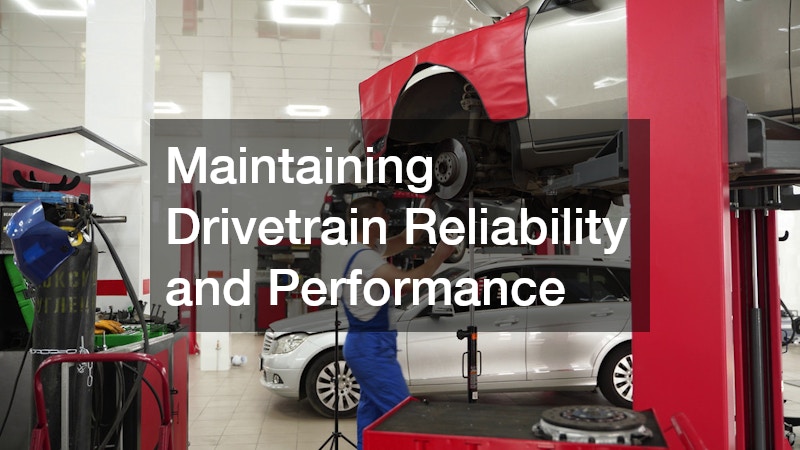
The drivetrain plays a central role in how a vehicle delivers power, responds to driver input, and maintains stability at varying speeds. Because these components work together under constant load, even minor issues can affect overall performance and safety if they are overlooked.
Early warning signs often appear gradually and may be dismissed as normal wear. Vibrations during acceleration can indicate imbalance or joint wear, while clunking noises when shifting may signal loosened or damaged components. Delayed engagement when changing gears and visible fluid leaks are additional indicators that internal parts are under stress. Addressing these symptoms promptly helps prevent a single failing component from causing widespread damage throughout the system.
Driveshaft repairs become necessary when universal joints wear out, balance is lost due to damage or corrosion, or components are impacted by road debris. When these issues are ignored, the drivetrain can transmit uneven force, increasing strain on the transmission, differential, and mounting hardware. Over time, this not only reduces vehicle control but also raises the likelihood of more extensive and costly repairs.
Transmission condition is just as important, as it manages gear changes and power distribution. Working with specialists who provide local transmission repairs offers practical benefits, including faster diagnosis and service tailored to regional driving patterns such as frequent stop-and-go traffic or highway commuting. Routine inspections, fluid changes, and early intervention help prevent overheating, slipping, and internal wear that shorten transmission lifespan.
To reduce the risk of major drivetrain failures, vehicle owners should focus on preventive maintenance habits:
- Monitoring fluid levels and condition to catch contamination or leaks early
- Responding promptly to unusual noises, vibrations, or shifting behavior
- Following manufacturer service intervals rather than relying solely on minimum guidelines
Consistent attention to drivetrain health supports smoother operation, better fuel efficiency, and long-term reliability.
Ensuring Year-Round Cabin Comfort and System Efficiency
Comfort systems contribute directly to safe driving by supporting visibility, concentration, and overall driver awareness. Properly functioning climate components ensure windows defog quickly, airflow remains consistent, and cabin temperatures stay within a comfortable range, all of which reduce distraction and fatigue during longer drives or challenging weather conditions.
Early signs of system trouble should not be ignored. Reduced cooling performance may indicate low refrigerant levels or failing components, while unusual odors can signal mold growth or contamination within the system. Inconsistent airflow often points to clogged filters or malfunctioning controls. Postponing ac repair allows these issues to worsen, increasing the risk of compressor failure, refrigerant leaks, or electrical damage that significantly raises repair complexity and cost.
Maintaining system efficiency requires regular attention and simple preventive habits, including:
- Running the system periodically, even during cooler months, to keep components lubricated
- Replacing cabin filters as recommended to maintain airflow and air quality
- Addressing small performance changes early before they escalate into major failures
Seasonal inspections are particularly important before periods of heavy use, such as peak summer heat or cold winter months. Ensuring the system is operating correctly ahead of time helps prevent sudden failures and supports consistent comfort. A well-maintained climate system improves not only cabin conditions but also driver alertness and visibility in extreme temperatures and weather.
Preparing Vehicles for Towing and Hauling Demands
Towing places additional demands on both the vehicle and the equipment being pulled, making thorough preparation a critical part of safe operation. The added weight affects acceleration, braking distance, and handling, while long-distance towing increases heat and stress on components that may not be designed for constant load without proper setup.
Trailer tires are engineered differently from standard passenger tires to manage sustained weight and increased sidewall flex. Using tires that are improperly rated or poorly maintained raises the likelihood of blowouts, uneven wear, and loss of control, especially at highway speeds. Because these tires often experience fewer miles but greater stress, visual condition alone is not always a reliable indicator of readiness.
To ensure towing readiness, drivers should focus on several key factors:
- Verifying load ratings and inflation levels to match the trailer’s weight and cargo
- Inspecting tires for age-related cracking, dry rot, or structural weakness in addition to tread depth
- Balancing loads properly to reduce sway and maintain stable handling
Storage conditions also play a significant role in tire longevity and trailer reliability. Trailers parked for extended periods should be shielded from prolonged sun exposure and moisture, both of which accelerate material degradation. Elevating tires off the ground when possible and using covers can further reduce wear. Performing regular inspections before each trip helps identify issues early, reducing the risk of roadside emergencies and improving overall towing safety.
Upgrading Components for Durability and Longevity
Many vehicle components are structurally durable but vulnerable to environmental exposure that gradually degrades their surfaces. Heat cycles, moisture, road salt, chemicals, and debris can accelerate corrosion and wear, even when parts remain mechanically sound. Over time, this surface damage can weaken components, increase maintenance needs, and lead to premature replacement.
A powder coating service offers a protective solution designed to withstand harsher conditions than many conventional paint finishes. The coating forms a consistent, sealed layer that bonds to the surface, providing strong resistance to chipping, corrosion, and chemical exposure. This makes it especially effective for wheels, suspension parts, mounting brackets, and underbody components that are regularly exposed to moisture, heat, and road debris.
Protective coatings provide several practical advantages:
- Improved resistance to rust and surface wear in challenging environments
- Easier cleaning and maintenance due to smoother, sealed surfaces
- Extended service life for treated components, reducing replacement frequency
Vehicle owners who intend to keep their vehicles for many years or who drive in demanding conditions often benefit the most from these upgrades. Selecting experienced providers and choosing coatings suited to the specific application ensures the finish delivers functional protection rather than focusing solely on appearance.
Understanding essential automotive services empowers vehicle owners to make informed decisions at every stage of ownership. From the initial purchase through years of daily use, proactive care reduces unexpected expenses, improves safety, and preserves value. By recognizing early warning signs, choosing qualified providers, and investing in preventive maintenance, drivers can maintain confidence in their vehicles and enjoy more reliable performance over time.