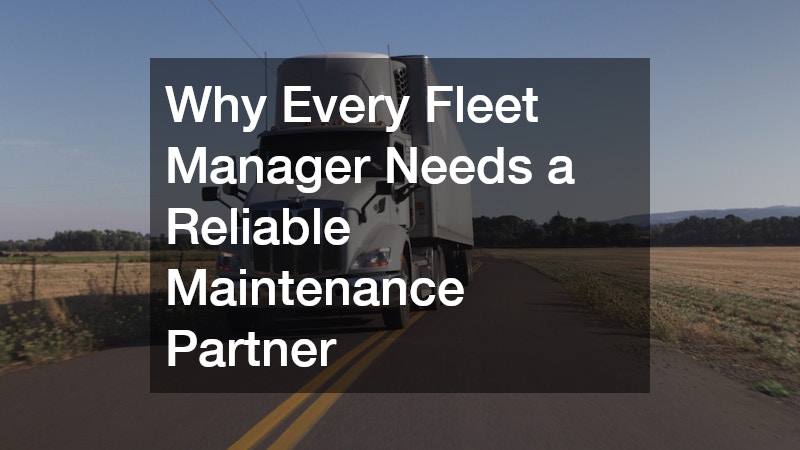
The transportation and logistics industry is currently undergoing a period of profound transformation. As we navigate the complexities of 2026, the pressures on fleet managers have never been greater. Supply chain disruptions, fluctuating energy costs, and a tightening regulatory environment have made the “old way” of doing things—reactive, piecemeal maintenance—not only inefficient but potentially catastrophic for a company’s bottom line. In this high-stakes environment, the difference between a thriving operation and one that is struggling to stay afloat often comes down to the reliability and readiness of its vehicle assets.
A fleet is more than just a collection of trucks, vans, and trailers; it is a synchronized system of moving parts that represents the physical manifestation of your company’s promises to its customers. When a vehicle is sidelined, that promise is broken. The hidden costs of downtime go far beyond the repair bill; they include lost driver hours, missed delivery windows, potential contract penalties, and the long-term erosion of client trust. To combat these risks, modern fleet managers are shifting away from being mere coordinators of repairs and becoming strategic partners in asset management. The cornerstone of this new approach is establishing a deep, multi-faceted relationship with a maintenance partner who views your uptime as their primary metric of success.
Strategies for Extending the Lifespan of Light-Duty Vehicles

Light-duty vehicles, such as cargo vans and light trucks, often form the “last mile” infrastructure of a delivery network. These vehicles endure a specific type of stress: constant stop-and-go cycles, heavy idling in urban traffic, and frequent loading and unloading. To maximize the return on investment for these assets, a maintenance plan must be proactive rather than reactive. The goal is to reach the 250,000-mile mark while maintaining peak operational efficiency.
The single most important factor in engine longevity is the management of internal friction and heat. Consistently scheduling an oil change service according to duty cycle rather than just mileage is essential. For vehicles operating in extreme conditions—such as high-heat environments or dusty construction zones—the traditional 7,500-mile interval is often too long. By analyzing oil health through periodic fluid sampling, managers can detect early signs of metal wear or coolant leaks before they lead to a total engine seizure. Furthermore, a comprehensive approach to auto repair for light-duty fleets must include regular inspections of the suspension and steering components. These parts take a beating from potholes and uneven city streets; early replacement of worn bushings or ball joints prevents more expensive damage to tires and steering racks later on.
Scaling Your Operations with Versatile Maintenance Providers
As your business expands, the complexity of your fleet grows exponentially. What started as a small team of identical delivery vans can quickly evolve into a diverse array of specialized vehicles, ranging from refrigerated units to heavy-haul tractors. This diversity presents a significant management challenge: how do you maintain technical expertise across multiple platforms without inflating your overhead? The answer lies in partnering with a versatile auto repair company that has invested in the diagnostic software and specialized tooling required for a wide range of manufacturers.
A centralized maintenance partner does more than just fix broken parts; they provide the data infrastructure necessary for informed decision-making. By consolidating all repair history into a single database, you gain a clear view of the Total Cost of Ownership (TCO) for each vehicle class. This data allows you to identify “lemon” models that are underperforming or costing more in maintenance than they generate in revenue. Additionally, a dedicated partner can assist with regulatory compliance, ensuring that every vehicle in the fleet meets Department of Transportation (DOT) standards and that all safety inspections are documented and filed correctly. This level of organization is vital during surprise audits or when preparing for a large-scale expansion.
Mitigating Financial Risk Through Driver Education
Even the best-maintained vehicle cannot survive a reckless operator. Driver behavior is the single greatest variable in fleet longevity and company liability. Investing in employee development is not just about human resources; it is a direct investment in the mechanical integrity of your hardware.
Implementing a mandatory, recurring driving course for all staff members who operate company vehicles pays dividends in several ways. These programs teach defensive driving techniques that reduce the frequency of “fender benders,” which are often the most common cause of vehicle downtime. Furthermore, they educate drivers on how to recognize early warning signs of mechanical failure—such as unusual vibrations or changes in braking feel—allowing for repairs to be made before a catastrophic failure occurs on the highway. By fostering a culture of ownership and technical awareness among drivers, you transform your workforce into the first line of defense against vehicle degradation.
Navigating the Aftermath of Roadside Incidents
Despite the best training and maintenance, accidents happen. The complexity of modern traffic laws and the litigious nature of the transport industry mean that a fleet manager must be prepared for the legal fallout of any on-road incident. The immediate minutes following a crash are the most critical for data collection and protection.
In cases where a significant collision occurs, the guidance of a car accident lawyer is essential. They help the company navigate the intricate process of liability determination and protect the organization from predatory claims. Having a legal protocol in place ensures that drivers know exactly what information to collect at the scene and what to say (or not say) to third parties, ensuring that the company’s reputation and financial health remain intact during a stressful period. A specialized attorney can also assist in retrieving data from the vehicle’s Electronic Control Module (ECM) to provide an objective record of the vehicle’s speed and braking actions leading up to the event.
Streamlining Insurance Costs with Proven Safety Data
Insurance is often one of the top three expenses for any fleet-based business. In 2026, insurers are increasingly moving toward “usage-based” and “safety-based” pricing models. If you can prove that your fleet is safer than the industry average, you have significant leverage when it comes time to renew your policy.
By maintaining detailed digital records of every safety inspection and driver training certificate, you provide your auto insurance company with the “proof of pass” they need to offer lower premiums. A fleet that shows a consistent commitment to safety is viewed as a lower risk, which can result in thousands of dollars in annual savings. These savings can then be reinvested into newer, safer vehicle technology, creating a virtuous cycle of improvement. This transparency not only lowers costs but also builds a relationship of trust with underwriters, making it easier to secure coverage for specialized equipment or high-value cargo.
Optimizing Warehouse Logistics for Faster Throughput
The efficiency of a fleet is often dictated by what happens when the wheels aren’t turning. In modern logistics, the warehouse is the heart of the operation, and the speed at which goods move through the facility determines the volume of revenue a fleet can generate.
One of the most effective ways to increase speed is through the implementation of cross docking strategies. This process involves unloading materials from an incoming semi-trailer or railroad car and loading these materials directly into outbound trucks, trailers, or rail cars, with little or no storage in between. For this to work, vehicle timing must be perfect. If a truck arrives late due to a mechanical issue, the entire cross-docking chain breaks down, leading to labor waste and missed delivery windows. Effective facility management ensures that the transition from long-haul arrivals to local delivery departures is as seamless as possible, reducing the physical handling of goods and the risk of inventory damage.
Specialized Care for Heavy-Duty Transport Engines
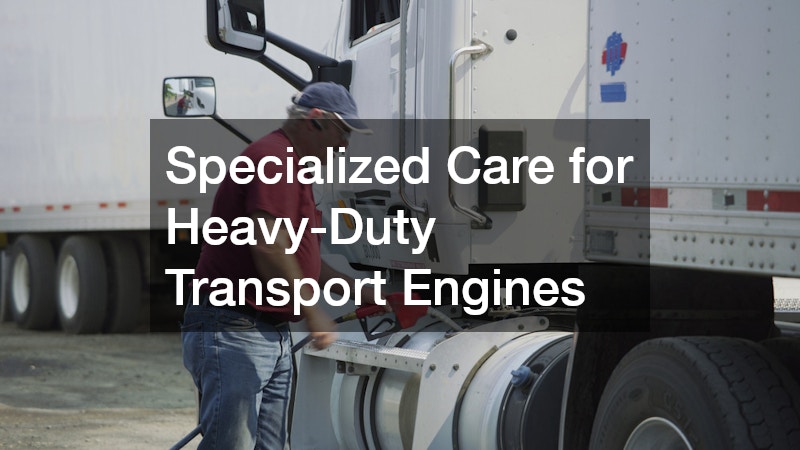
Class 8 trucks are a different breed of machine entirely. The tolerances, pressures, and cooling requirements of a long-haul diesel engine require specialized knowledge that a standard mechanic simply may not possess. These engines are designed to run for millions of miles, but only if their unique systems are respected.
Engaging in proactive freightliner truck repair involves monitoring the Exhaust Aftertreatment System (EATS) and the Diesel Particulate Filter (DPF). These systems are notorious for causing “limp mode” events if they are not cleaned and maintained properly. A maintenance partner who specializes in these heavy-duty systems can perform “forced regens” and sensor calibrations that keep the big rigs pulling heavy loads without unexpected interruptions. Beyond the engine, attention must be paid to the transmission and differential fluids, which endure extreme thermal stress during long mountain climbs or heavy-haul operations across varying climates.
Maintaining Durability in Harsh Construction Environments
Not all fleets spend their time on smooth asphalt. For companies involved in construction, infrastructure, or mining, the environment is a constant enemy. Dust, mud, and extreme vibrations act as abrasives on every moving part of the vehicle.
The maintenance needs for dump trucks are particularly grueling. Beyond the engine and drivetrain, the hydraulic lifting systems require weekly inspections. A blown hydraulic hose on a job site doesn’t just stop the truck; it can create an environmental hazard and halt the work of an entire crew. Key maintenance areas for these heavy-duty assets include:
-
Greasing all pivot points on the hoist and tailgate daily to displace contaminants.
-
Inspecting the chassis for stress fractures caused by heavy loads and uneven terrain.
-
Checking tire pressure constantly, as under-inflation leads to heat buildup and blowouts in off-road conditions.
-
Verifying the integrity of the bed liners to prevent material sticking and off-center loads.
Reducing Downtime with On-Site Technical Support
The traditional model of “tow it to the shop” is increasingly being replaced by “bring the shop to the truck.” Every hour a vehicle spends being towed and sitting in a waiting lot is an hour of lost revenue. On-site service is the ultimate tool for the modern fleet manager.
This is particularly true for trailer maintenance. Utilizing mobile trailer repair services allows for the fixing of lights, air lines, and floorboards while the trailer is parked at the dock or in the yard. This means the asset is ready to go the moment the driver arrives for their shift. This level of responsiveness ensures that small issues—like a frayed wiring harness or a damaged door seal—are fixed immediately rather than being deferred until they cause a roadside inspection failure. This on-call support effectively extends your fleet’s uptime by performing critical tasks during natural idle periods, such as overnight or during loading windows.
Enhancing Asset Reliability Through Advanced Telematics
In 2026, the use of telematics has moved beyond simple GPS tracking. Modern systems provide a real-time window into the mechanical soul of every vehicle in your fleet. These sensors monitor everything from engine temperature and oil pressure to brake wear and tire inflation. By integrating this data into your maintenance partner’s management system, you can move from a schedule-based maintenance model to a condition-based model. This means you only service the vehicle when the data indicates it is necessary, saving money on unnecessary parts while preventing failures that a mileage-based schedule might miss.
Telematics also allows for immediate alerts when a driver ignores a dashboard warning light. We have all seen instances where a driver continues to operate a vehicle with a “check engine” light illuminated, turning a minor sensor fix into a major overhaul. With real-time alerts, the fleet manager can contact the driver immediately and direct them to the nearest authorized facility, preventing permanent damage. This level of oversight ensures that your high-value assets are operated within their designed parameters at all times, further extending their usable life and protecting your capital investment.
The Strategic Value of Predictive Maintenance Analytics
The final frontier of modern fleet management is the use of predictive analytics to anticipate failures before they occur. By analyzing historical data across thousands of similar vehicles, sophisticated software can predict when a specific component, like an alternator or a water pump, is likely to reach the end of its life. This allows the fleet manager to replace the part during a scheduled service interval rather than waiting for it to fail on the road. The cost of a planned replacement is always lower than the cost of an emergency roadside repair.
Predictive maintenance also helps in inventory management. When your maintenance partner knows which parts are likely to fail across your fleet, they can ensure those specific components are in stock and ready for use. This synergy reduces the time a vehicle spends taking up space in a repair bay waiting for a backordered part. It creates a streamlined flow of assets in and out of the shop, ensuring that your fleet remains as lean and productive as possible. In an industry where efficiency is the only sustainable competitive advantage, these analytical tools are no longer optional; they are the standard for excellence.
The Holistic View of Fleet Management
Successful fleet management in today’s economy is a balancing act of technical precision and strategic foresight. It requires moving away from the mindset of “fixing what is broken” toward a culture of “preventing what could fail.” When you view your maintenance provider as a partner rather than a vendor, you gain more than just mechanical labor; you gain an ally in the pursuit of operational excellence.
By integrating driver education, legal preparedness, and specialized mechanical care into a single cohesive strategy, you protect your drivers, your assets, and your bottom line. The road ahead will always have its share of challenges, from fluctuating fuel prices to evolving regulations. However, with a solid foundation of preventative care and a network of experts at your back, your fleet will be equipped to handle whatever the journey brings. Performance on the road starts in the shop, and the strength of that partnership is what truly drives a business forward.