For the vast majority of people, a vehicle is one of the largest financial investments they will ever make, second only to a home. It is a tool of liberation, providing the daily freedom to commute to work, drop children off at school, and embark on weekend adventures. Yet, this asset can quickly transform into a profound financial burden. The sudden illumination of a dashboard check engine light, a strange grinding noise when approaching a stoplight, or the terrifying crunch of a minor fender bender can instantly disrupt both your peace of mind and your bank account.
Car ownership is inherently filled with these unpredictable moments, but experiencing them does not mean you have to be at the mercy of overwhelming expenses or chaotic legal disputes. Minimizing the financial impact of driving requires a dual approach: a proactive stance toward mechanical upkeep and a clear, composed understanding of your legal rights on the road. By mastering the art of preventative care, safeguarding your vehicle’s physical environment, and knowing exactly how to navigate the aftermath of an accident, you can save thousands of dollars and shield yourself from unnecessary stress. This comprehensive guide details the essential strategies needed to keep your vehicle running smoothly, secure your home infrastructure, and protect your legal and financial interests when navigating the unexpected.
1. Shift from Reactive to Proactive Vehicle Maintenance
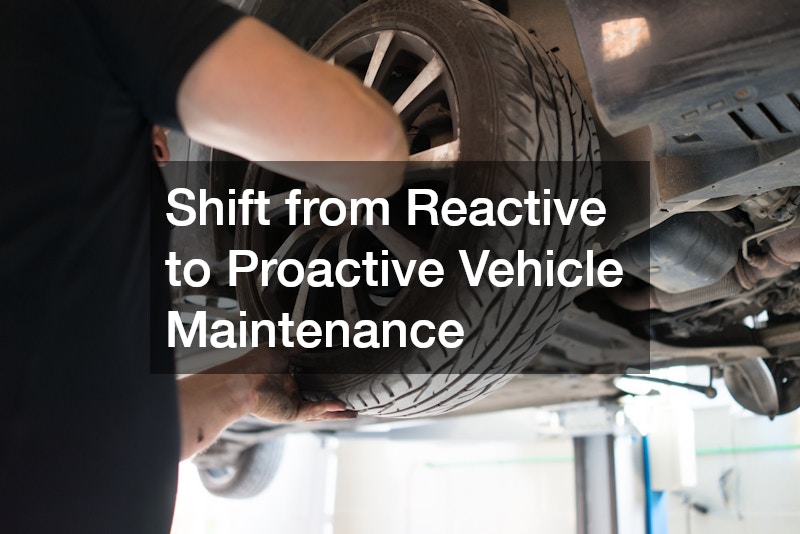
Many drivers fall into the trap of reactive maintenance, which means they only visit a mechanic when something has completely broken down. This approach is invariably more expensive than preventative care, as minor component failures quickly cascade into major mechanical catastrophes. For example, a worn-out serpentine belt is a relatively inexpensive fix, but if it snaps while you are driving, it can cause immediate engine overheating, loss of power steering, and catastrophic internal damage.
Adopting a proactive mindset means tracking your mileage, listening to your vehicle, and addressing minor quirks before they evolve into safety hazards. Establishing a consistent schedule for oil changes, fluid top-offs, and belt inspections creates a baseline of health for your vehicle. Furthermore, building a relationship with a trusted professional before an emergency occurs ensures you receive fair pricing and honest diagnostics when you need them most. Taking the time to research and select a reputable local auto repair shop gives you a dependable partner in vehicle longevity, allowing you to catch small vulnerabilities during routine check-ups rather than waiting for a catastrophic failure on the highway.
2. Recognize and Act on Early Warning Signs
Vehicles rarely fail without warning. Modern automobiles are equipped with highly sophisticated networks of sensors designed to alert the driver to minor deviations in performance long before a total breakdown occurs. Ignoring these signals is a surefire way to increase your long-term ownership costs. A small vibration in the steering wheel, a faint ticking noise under the hood, or a slight delay when shifting gears are all open invitations to investigate.
When you notice these subtle changes, immediate action is your best financial defense. Postponing a visit to a professional usually guarantees that the eventual fix will require more labor hours and pricier replacement components. Staying ahead of these minor anomalies is the most effective method for avoiding extensive, budget-breaking auto repairs that can sideline your vehicle for weeks at a time. By addressing issues the moment they present themselves, you maintain control over your schedule and your finances, rather than allowing a neglected component to dictate when and where your car breaks down.
3. Maintain Your Vehicle’s Stopping Power
Among all the mechanical systems in your vehicle, the braking system is arguably the most critical for your physical safety. Brake components operate in a harsh environment characterized by extreme heat, friction, and environmental debris. Over time, brake pads naturally wear thin, and hydraulic fluid can absorb moisture, degrading the overall responsiveness of the system.
Drivers must remain hyper-vigilant regarding the warning signs of brake wear, which include a high-pitched squealing noise, a spongy feeling when pressing the pedal, or the vehicle pulling to one side during deceleration. Neglecting these symptoms dramatically increases your stopping distance, turning what should be a routine stop into a high-risk situation. Promptly scheduling an auto brake repair when you notice these changes ensures that your vehicle retains its maximum stopping capability, protecting you, your passengers, and everyone else on the road from preventable collisions.
4. Ensure Environmental and Regulatory Compliance
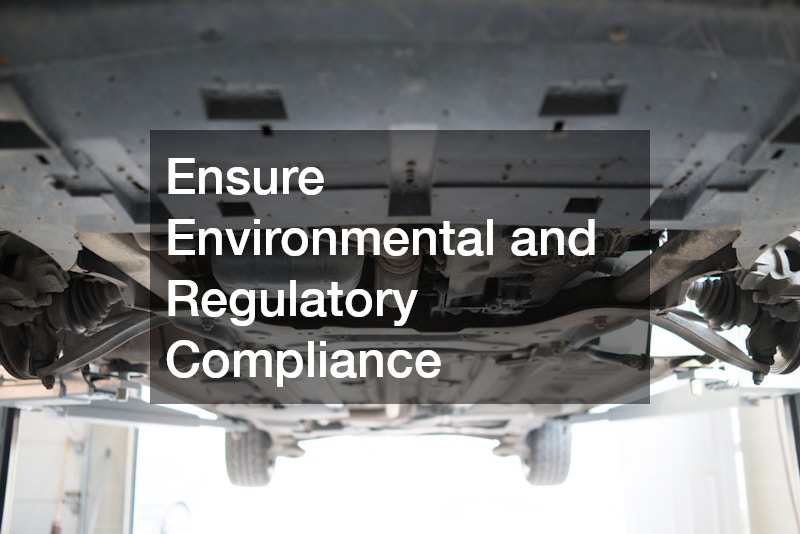
While mechanical reliability and physical safety are paramount, environmental compliance is another critical aspect of responsible vehicle ownership that can impact your wallet. Modern exhaust systems are highly complex, utilizing catalytic converters, oxygen sensors, and sophisticated exhaust recirculation systems to minimize the volume of harmful pollutants released into the atmosphere. When these systems malfunction, your vehicle’s fuel efficiency drops significantly, and harmful emissions increase.
Many municipalities and states mandate regular inspections to verify that vehicles meet localized environmental standards. Failing to prepare for or pass these mandatory evaluations can result in hefty fines, registration suspensions, and an inability to legally operate your vehicle. Incorporating regular inspections of your exhaust and fuel management systems into your broader maintenance routine ensures you will effortlessly pass your scheduled car emissions testing, keeping your vehicle fully street-legal and operating at peak fuel efficiency.
5. Evaluate the Integrity of Vehicle Structural Points
When considering vehicle safety, drivers often focus entirely on the engine, transmission, and brakes, completely overlooking the physical structure that houses the passengers. The perimeter of the vehicle cabin serves as the primary shield against external impacts, and its moving components require regular inspection and maintenance to perform effectively.
The hinges, latches, and weather stripping around your cabin openings are under constant stress from daily use and exposure to the elements. Over time, hinges can sag, latches can become misaligned, and rubber seals can dry out and crack, allowing moisture to seep into the cabin and cause rust or electrical shorts. Ensuring that all passenger doors open smoothly, every door closes securely, and seal tightly is essential for maintaining the structural safety cage of the vehicle, which is engineered to distribute forces away from the cabin during a side-impact collision.
6. Address Single Point Weaknesses in Cabin Security
Beyond the collective integrity of the vehicle’s cabin structure, individual components must be checked for localized mechanical wear. A single malfunctioning latch or a window regulator that fails to close completely can compromise the security and safety of the entire vehicle, leaving your interior vulnerable to theft, vandalism, and weather damage.
A faulty lock or a loose hinge on a single door can quickly escalate from an inconvenience into a significant safety hazard if the latch fails to hold at highway speeds or during a sharp turn. Regularly lubricating these mechanical pivot points, inspecting the electronic locking actuators, and replacing worn weather stripping prevents water intrusion and ensures that every entry point remains a reliable barrier against both environmental elements and unauthorized access.
7. Optimize the Stability of Home Storage Infrastructure
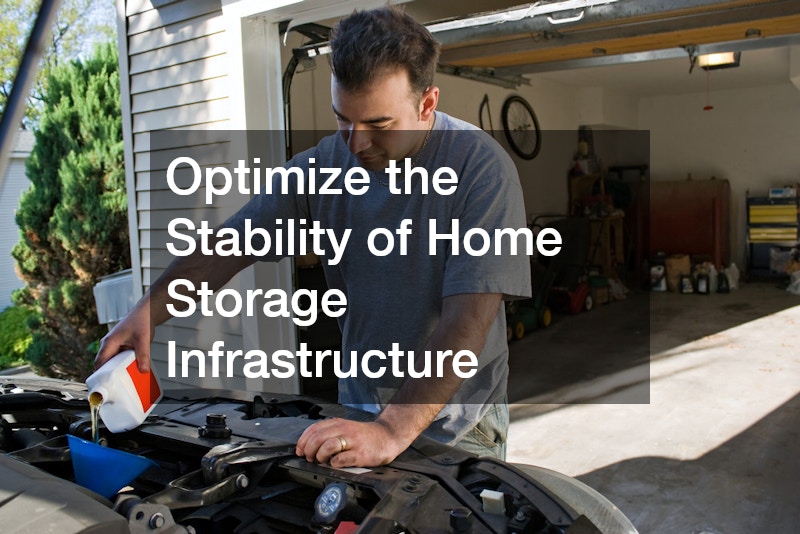
Your vehicle’s vulnerability to damage does not disappear when you pull into your driveway. In fact, the environment where your car spends the majority of its time parked plays a massive role in its overall rate of depreciation and mechanical wear. Storing a vehicle inside a dedicated shelter protects it from UV rays that fade paint, hail that dents body panels, and extreme temperature fluctuations that stress the battery and rubber hoses.
However, the physical structures meant to protect your vehicle can sometimes pose a threat if they are neglected. Large, heavy overhead entry barriers rely on complex systems of high-tension springs, cables, and tracks to operate safely. If garage doors are unbalanced or if the safety reverse sensors malfunction, they can drop unexpectedly, causing severe cosmetic and structural damage to your vehicle’s roof, hood, or trunk. Routinely inspecting and lubricating these heavy overhead garage doors prevents mechanical failures that could result in costly damage to your car or personal injury to your family.
8. Enhance Access Point Safety and Automation
The automated entry systems used in residential parking structures are among the largest moving objects in a home, requiring consistent oversight to ensure they operate harmoniously with your vehicle. Modern systems are equipped with photoelectric eyes and resistance sensors designed to detect obstructions, but these components can easily become misaligned due to dirt, vibration, or accidental impacts.
Testing the auto-reverse mechanism of your overhead barrier by placing an object in its path is a simple preventative measure that can save you from a major headache. A properly maintained garage door provides an airtight, secure seal that keeps out pests, deters thieves, and stabilizes the ambient temperature around your vehicle, which preserves battery life and prevents fluids from thickening during bitter winter months.
9. Design and Executive Durable Automotive Shelters
For homeowners looking to maximize the lifespan of their vehicles, the quality of the physical shelter available on the property is a major variable. If your home lacks a dedicated indoor parking space, or if your current structure is cramped, uninsulated, and deteriorating, your vehicle is constantly exposed to unnecessary environmental risks.
Embarking on a well-planned project to build or radically upgrade an attached or detached parking structure offers an exceptional return on investment. Proper garage construction involves assessing foundation strength, ensuring adequate ventilation to prevent moisture buildup, and installing sufficient electrical capacity for modern tools or electric vehicle charging infrastructure. A custom-built shelter provides a highly controlled, secure environment that virtually eliminates the risks of weather-related wear, vandalism, and tree sap damage.
10. Establish a Strict Scene Protocol After an Accident

Despite your absolute best efforts in vehicle maintenance and home storage, you cannot control the actions of other drivers on the road. Accidents happen in a fraction of a second, leaving even the most experienced drivers shocked and disoriented. The actions you take in the immediate aftermath of a collision are critical, as they dictate your physical recovery, your financial liability, and your ability to secure fair compensation for your damages.
The first priority at an accident scene is always physical safety; you must check yourself and your passengers for injuries, move the vehicles out of the flow of traffic if possible, and immediately contact emergency services. Once safety is established, you must transition into a documentation mindset by taking comprehensive photographs of the vehicle damage, road conditions, skid marks, and traffic signs, while exchanging insurance and contact details with the other party without ever admitting fault or apologizing. Navigating the high-pressure tactics of insurance adjusters who want to minimize your payout can be incredibly difficult, which is why consulting a specialized accident attorney as soon as possible after the event is the most effective way to protect your legal rights and secure the financial recovery you deserve.
Owning and operating a motor vehicle does not have to be an ongoing source of financial anxiety or legal uncertainty. By transitioning from a reactive approach to a proactive mindset, you effectively take control of your automotive destiny. Dedicating time to routine mechanical inspections, staying ahead of critical safety system repairs, and optimizing your home’s parking infrastructure are investments that pay massive dividends in the form of minimized depreciation and avoided breakdowns.
Simultaneously, recognizing that the roadway carries inherent risks allows you to mentally and legally prepare for the unexpected. Knowing how to preserve evidence at the scene of a collision and understanding when to engage professional legal support ensures that an accident won’t ruin your financial future. When you combine rigorous vehicle maintenance with informed legal awareness, you protect your wallet, your property, and your peace of mind, allowing you to enjoy the open road with absolute confidence.
Ultimately, true vehicle security is built on a foundation of consistent, daily choices rather than hurried, emergency responses. The small steps you take today—whether that means scheduling an overdue mechanical check-up, upgrading your home parking space, or saving the contact information of a trusted legal professional into your phone—create a powerful shield against future chaos. Driving will always come with unpredictable variables, but your preparedness determines whether those moments become minor speed bumps or catastrophic financial roadblocks. By committing to the comprehensive strategies outlined in this guide, you transform car ownership from a source of stress into a seamless, empowering asset for years to come.