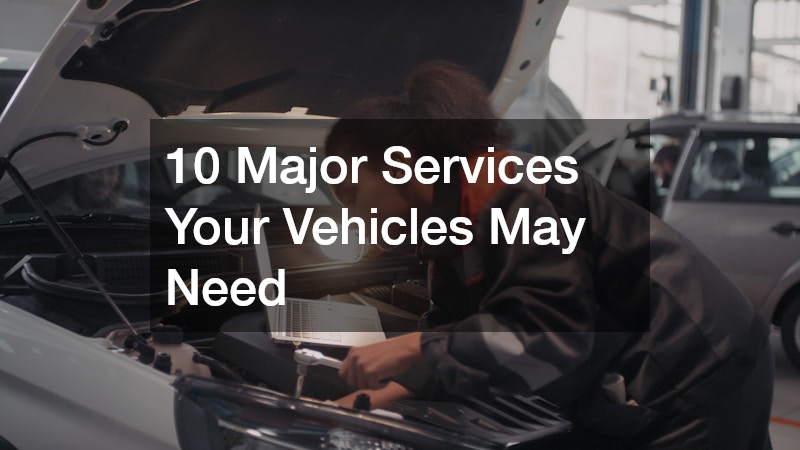
For many drivers, purchasing a car is one of the largest financial investments made outside of buying a home. Yet, the moment a vehicle rolls off the lot, it begins a continuous cycle of wear and tear. While modern engineering has made automobiles far more resilient than those produced decades ago, no vehicle is immune to the passage of time, extreme weather, and regular use. Keeping a vehicle running smoothly across hundreds of thousands of miles requires more than just lucky car repairs. It demands a dedicated approach to proactive maintenance, sensible driving habits, and timely attention to minor mechanical issues before they escalate into catastrophic failures.
Understanding the mechanics of long-term vehicle care empowers drivers to take control of their mobility while saving thousands of dollars in premature replacement costs. By taking a comprehensive view of maintenance—ranging from essential engine care and fluid management to structural upkeep and driving habits—you can ensure your vehicle remains reliable, safe, and efficient for decades to come.
Understanding the Pillars of Engine Longevity
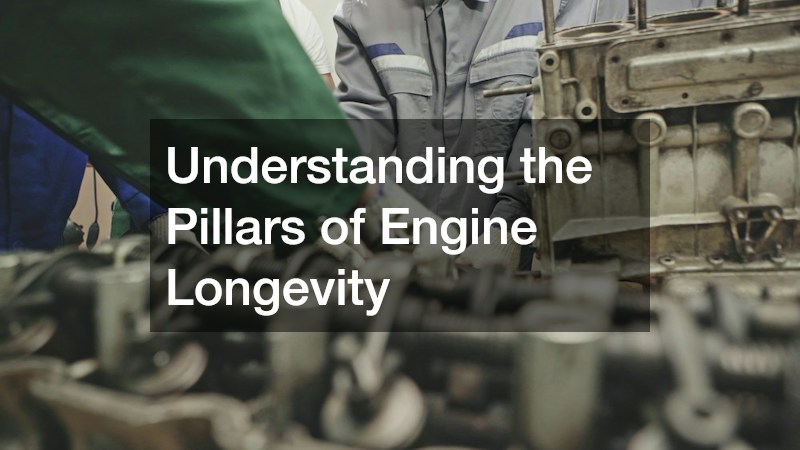
Prioritize Frequent Oil and Filter Changes
The engine serves as the heart of your vehicle, and clean engine oil is its lifeblood. Over time, engine oil degrades due to intense heat, friction, and the accumulation of microscopic dirt, metal shavings, and unburned fuel residues. Driving with contaminated oil reduces lubrication, causing critical metal components to rub directly against one another, leading to rapid degradation.
- Follow the oil viscosity and change intervals specified in your owner manual rather than relying on generic rules of thumb.
- Opt for full synthetic oil whenever recommended, as it resists thermal breakdown significantly better than conventional options.
- Always replace the oil filter alongside the oil to prevent captured contaminants from recirculating through the engine.
Monitor and Replenish Essential Fluids
Engine oil is not the only fluid preventing system failure. Your car relies on a complex network of liquids to cool, clean, hydraulicize, and lubricate various mechanical systems. Neglecting coolant, power steering fluid, differential fluid, or brake fluid can result in overheating, loss of control, or severe mechanical seizing.
- Inspect coolant levels regularly to guard against engine overheating, which can warp cylinder heads and crack engine blocks.
- Flush the cooling system at recommended intervals to clear out rust scale and internal buildup.
- Periodically inspect hydraulic lines for moisture contamination, which drastically reduces braking efficiency over time.
Preserving Driveability and Mechanical Health
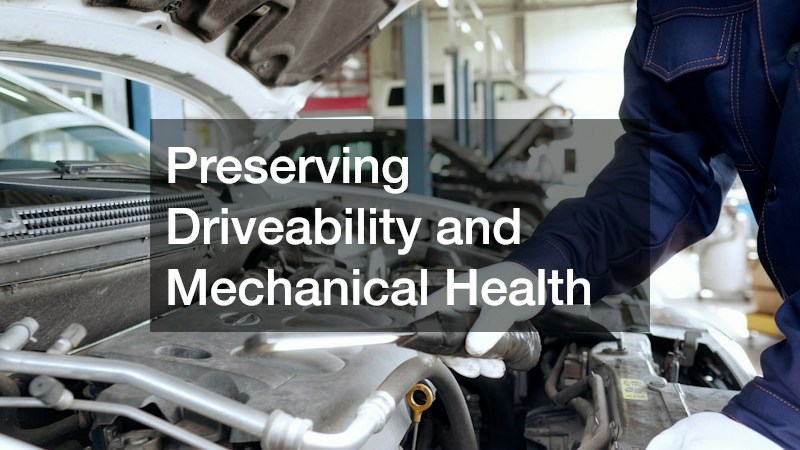
Maintain Transmission Systems Proactively
Transmissions undergo immense mechanical stress, converting engine power into usable torque to drive the wheels. Whether your car utilizes a manual, traditional automatic, or continuously variable system, the internal gears and clutches require precise fluid dynamics to operate without overheating.
- Check fluid color and level periodically, watching for dark discoloration or a distinct burnt smell that indicates thermal stress.
- Avoid shifting into reverse while the vehicle is still rolling forward, as this places massive shock loads on internal gears.
- Seek qualified mechanical help immediately if you experience slipping gears, delayed engagement, or harsh shifting patterns. Prompt attention to unusual behavior ensures that complex automatic transmission repairs do not turn into complete system replacements.
Keep Up with Essential Braking Component Maintenance
The stopping system is your vehicle paramount safety feature. Brakes convert kinetic energy into heat through friction, which naturally wears down pads and rotors over time. Driving on depleted brake pads quickly destroys expensive metal rotors and can compromise caliper pistons.
- Listen for high-pitched squealing or harsh metal-on-metal grinding sounds when applying pressure to the pedal.
- Inspect pad thickness visually through the wheel spokes, replacing them before the friction material drops below three millimeters.
- Address soft or spongy pedal feelings right away, as air or moisture in the hydraulic lines reduces stopping responsiveness. Scheduling routine brake repairs prevents catastrophic safety failures and protects expensive peripheral hardware.
Sustaining Suspension and Steering Integrity

Inspect Dampers, Struts, and Bushings
A vehicle suspension system does far more than provide a smooth ride; it keeps all four tires firmly planted on the road surface, ensuring steering control and braking stability. Shock absorbers, struts, and rubber bushings absorb thousands of road impacts every minute, eventually degrading due to physical stress and environmental exposure.
- Look for signs of fluid leaking down the sides of shock absorbers or strut bodies, which signals failed internal seals.
- Observe whether the car continues to bounce multiple times after hitting a bump or dip in the road.
- Replace worn rubber suspension bushings to prevent erratic wheel movement, sloppy steering response, and uneven frame alignment.
Maintain Proper Wheel Alignment Dynamics
Misaligned wheels pull the vehicle off a straight trajectory and force the engine and suspension to work significantly harder. Hit potholes, curb strikes, and general wear gradually knock front and rear wheels out of factory specs, increasing rolling resistance and destroying tires rapidly.
- Have alignment checked annually or whenever installing a new set of tires.
- Notice if the steering wheel sits off-center while driving straight down a level highway.
- Pay attention to subtle pulling or drifting to one side of the lane when relaxing your grip on the wheel.
Maximizing Tire Performance and Safety
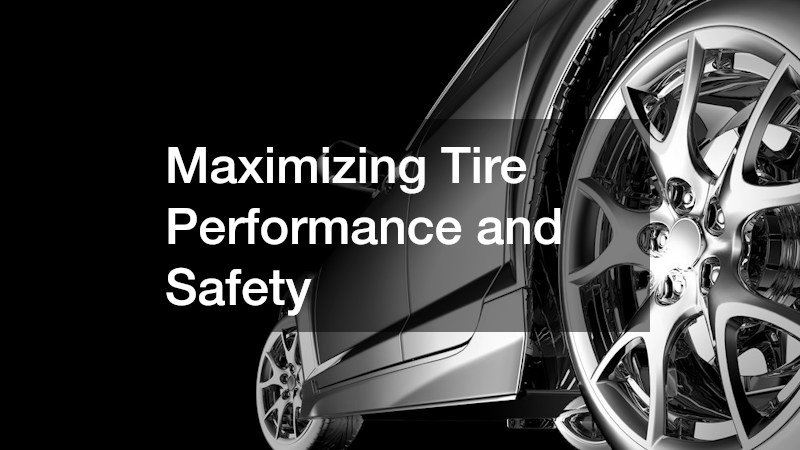
Monitor Tire Pressure and Tread Depth Regularly
Tires are the sole point of contact between your vehicle and the roadway. Driving on improperly inflated tires compromises grip, increases stopping distances, and accelerates tread wear. Under-inflation generates excessive heat inside the tire body, which can lead to sudden blowouts at highway speeds.
- Check inflation pressures at least once a month using an accurate digital gauge when the tires are cold.
- Adjust pressure according to the vehicle manufacturer door jamb placard rather than the maximum pressure stamped on the tire sidewall.
- Use a simple penny or depth gauge test to monitor tread loss, ensuring adequate water displacement during rainy weather.
Rotate Tires to Ensure Even Wear
Front and rear tires experience vastly different forces. Front tires handle the majority of braking, steering inputs, and weight distribution, causing them to wear down much faster than rear tires. Regular rotation patterns equalize this wear across all four wheels, extending total tread life significantly.
- Rotate tires every five thousand to eight thousand miles, ideally matching your routine oil change schedule.
- Inspect tires for unusual wear patterns, such as cupping, feathering, or heavy wear on just one edge of the tread.
- Establish a relationship with reputable regional tire shops to handle precision balancing and wheel mounting when replacing worn rubber.
Protecting the Exterior and Bodywork
Wash and Seal the Exterior Surface Frequently
Environmental factors constantly attack your vehicle paint and underlying sheet metal. Bird droppings, tree sap, road salt, industrial fallout, and ultraviolet radiation degrade clear coats, exposing bare metal to moisture and oxygen. Rust is a vehicle worst enemy, quietly destroying structural integrity from the inside out.
- Rinse the underside of the vehicle thoroughly during winter months to wash away corrosive road deicing chemicals.
- Apply a high-quality synthetic sealant or wax twice a year to create a protective barrier against moisture and environmental acids.
- Clean off corrosive contaminants like bug splatters and tree sap immediately before they etch permanently into the paint finish.
Address Minor Cosmetic Damage Immediately
Small chips, scratches, and minor dents do more than look unsightly; they break the protective factory paint seal and allow moisture to reach the underlying steel. Once rust starts brewing under the paint, it spreads invisibly, blistering outward and causing expensive structural damage over time.
- Use factory-matched touch-up paint to fill in small stone chips on the hood and front bumper promptly.
- Seek non-invasive dent removal solutions for smooth door dings that have not cracked the clear coat surface. Utilizing modern techniques like paintless dent repairs preserves the original factory paint finish while eliminating unsightly metal indentations without costly respraying.
- Inspect wheel arches, rocker panels, and lower door edges routinely for subtle signs of bubbling paint.
Resolve Structural and Glass Imperfections Quickly
Cracks and chips in your windshield compromise structural safety. Modern windshields are integrated into the vehicle overall safety frame, supporting the roof strength during rollover events and ensuring proper passenger airbag deployment. Meanwhile, deeper structural impacts require immediate attention to maintain crash protection.
- Fill small stone chips in the windshield immediately to prevent temperature fluctuations from expanding them into giant cracks. Seeking quick auto glass repair stops minor stars and bullseyes from spreading across your field of view.
- Check that exterior light lenses remain clear and free of moisture intrusion or heavy cloudiness.
- Fix misaligned bumpers, damaged fenders, or crumpled frame supports right after an accident. Trusting skilled professionals for auto body repairs guarantees that your vehicle safety structures and body panels meet factory crumple specifications.
Electrical and Climate Control System Care
Care for the Battery and Charging System
Modern vehicles feature dense electronic networks that place immense demands on the battery and alternator. A failing battery puts extra stress on the starter motor and alternator, while corroded battery terminals prevent proper current flow, leading to unexpected electrical glitches and no-start scenarios.
- Clean white or bluish corrosion buildup off battery terminals using a mixture of baking soda and water.
- Ensure the battery hold-down clamp is firm so vibration does not damage internal lead plates.
- Test battery voltage annually, replacing the unit proactively every three to five years before complete failure occurs.
Preserve HVAC and Cabin Environment Components
A functioning climate control system keeps defrosters working efficiently in winter and maintains cabin comfort during blistering summer heat. Air conditioning systems use specialized refrigerant containing oil to lubricate internal compressor seals and prevent pump failure.
- Run the air conditioning for at least ten minutes every month, even in winter, to keep internal compressor seals lubricated.
- Replace the cabin air filter annually to prevent dust, leaves, and mold spores from clogging the heater core and evaporator.
- Keep air intake cowls at the base of the windshield clear of fallen leaves and debris to maintain healthy airflow.
Smart Driving Habits that Extend Car Life
Practice Smooth Acceleration and Braking
How you operate your vehicle on a daily basis directly impacts how long its mechanical components last. Aggressive driving habits, such as stomping on the gas pedal and slamming on the brakes, subject engine mounts, transmissions, suspensions, and brake systems to unnecessary kinetic shocks.
- Accelerate gradually from a complete stop, allowing the transmission to cycle smoothly through gears without high peak revs.
- Anticipate traffic flow ahead to coast toward slow traffic or red lights rather than braking hard at the last second.
- Avoid sudden hard cornering maneuvers that overload wheel bearings and strain outer suspension bushings.
Warm Up the Vehicle Correctly
Cold starts are when the vast majority of engine wear occurs, as oil has settled down into the oil pan and takes a few seconds to build pressure throughout the upper engine block. Revving a cold engine or driving hard immediately strains unlubricated metal components.
- Allow the engine to idle for thirty to sixty seconds after starting so oil circulates fully to the cylinder head.
- Drive gently for the first ten minutes until the temperature gauge reaches its normal middle operating position.
- Avoid letting the car idle endlessly in cold weather, as gentle driving actually warms up the engine and oil faster.
Fuel System and Engine Efficiency Practices
Use High-Quality Fuel and Clean Air Filters
Your engine requires a precise mixture of clean air and atomized fuel to create efficient combustion. Contaminated fuel or restricted airflow starves the engine, forcing it to run inefficiently, deposit carbon on valves, and waste fuel.
- Purchase gas from high-volume, reputable stations to ensure fresh fuel free of water contamination or sediment buildup.
- Replace the engine air filter whenever it appears dirty or clogged upon visual inspection.
- Consider using a quality fuel system cleaner annually to prevent carbon deposits from clogging fuel injector nozzles.
Keep the Fuel Tank Reasonably Full
Driving continuously with your fuel gauge hovering near empty puts your vehicle fuel pump at risk of premature failure. Electric fuel pumps are situated inside the fuel tank, relying on the surrounding liquid gasoline to cool and lubricate their internal electric motors.
- Refuel whenever the tank drops to a quarter full rather than waiting for the low fuel warning light.
- Prevent sediment and rust particles resting at the bottom of the tank from being drawn into the fuel filter.
- Reduce moisture condensation inside the fuel tank during cold seasons by keeping the volume high.
Maintaining Comprehensive Vehicle Documentation
Track Service Records and Schedules
Keeping flawless records of every service, inspection, and fix performed on your car helps you stay organized with upcoming maintenance items. It also proves to future buyers that the vehicle received meticulous care throughout its lifetime, boosting resale value dramatically.
- Maintain a binder or digital log containing dates, mileage, and receipts for all work completed.
- Stick strictly to the manufacturer recommended maintenance schedule found in your manual.
- Keep track of warranties on replacement items like batteries, tires, and brake pads to save money on future service.
Source Quality Replacement Components Wise
When replacing worn parts, the quality of the new components makes a massive difference in longevity. Cheap knockoff parts often fail prematurely, fitting poorly and potentially damaging neighboring factory components.
- Choose original equipment manufacturer parts or top-tier aftermarket alternatives for critical mechanical fixes.
- Rely on reliable sources for quality local auto parts when managing routine belt, hose, and filter replacements.
- Avoid non-certified electrical items or cheap sensor replacements that can cause false diagnostic trouble codes.
Financial and Operational Protections
Manage Financial Safety Nets Wisely
Keeping an older vehicle on the road requires balancing mechanical upkeep costs with financial protections. As cars age, their market value shifts, meaning you must continually evaluate your coverage levels to ensure you are protected against accidents without paying excessive premiums.
- Review your policy annually to ensure coverage limits match your car current market valuation and usage patterns.
- Maintain comprehensive coverage if you live in areas prone to storm damage, fallen trees, or wildlife collisions.
- Compare rates regularly among top auto insurance providers to secure competitive pricing while keeping full protection intact.
Be Prepared for Miscellaneous and Seasonal Needs
Long-term vehicle ownership also involves managing seasonal requirements and non-standard vehicle uses. Whether you park your vehicle for extended periods, manage farm equipment alongside personal cars, or use auxiliary power systems, holistic preparation keeps everything operational.
- Use a trickle charger or battery tender if storing a vehicle during winter or over long vacation periods.
- Keep tire pressures slightly higher during long storage to prevent permanent flat spots from forming on the rubber.
- Ensure residential heating or shop fuel needs are scheduled smoothly, using a dependable propane delivery service so garage work spaces stay warm for winter maintenance projects.
Recognizing Early Warning Signs
Listen to Unexplained Vehicle Sounds
Cars rarely fail without giving subtle warning signs first. Learning to listen to your vehicle helps you catch minor mechanical problems before they turn into major structural breakdowns or leave you stranded on the side of the road.
- Investigate squeaking, grinding, or clicking noises coming from the wheels, which indicate worn brakes or failing CV joints.
- Address deep engine knocking or metallic ticking sounds immediately to avoid severe engine destruction.
- Pay attention to loud exhaust noises or hissed air sounds that point to blown gaskets or cracked manifold pipes.
Respond Promptly to Dashboard Warning Lights
Modern vehicles use complex computer diagnostics to monitor sensor inputs across all engine, transmission, and emission systems. Ignoring dashboard indicators like the check engine light can turn simple sensor fixes into catastrophic engine or catalytic converter failures.
- Use an OBD-II scanner to read error codes as soon as a warning light illuminates on the dash.
- Fix minor sensor issues, such as a failed oxygen sensor, promptly to maintain proper fuel economy and engine tuning.
- Never ignore a flashing check engine light, as this indicates a severe misfire capable of destroying your catalytic converter within minutes.
Sensible Upkeep Leads to Lasting Value
Keeping a vehicle on the road for hundreds of thousands of miles does not require engineering expertise or endless financial investment. Instead, it relies on consistency, mindfulness, and a willingness to address small mechanical needs before they turn into major failures. By following factory maintenance schedules, practicing smooth driving habits, protecting bodywork from environmental corrosion, and staying attentive to unusual sounds or dashboard warnings, you can enjoy a safe, smooth, and dependable ride for decades. Investing care into your vehicle today ensures it remains a trustworthy companion on every journey tomorrow.