Keeping your car in peak condition doesn’t have to be difficult, but many drivers unknowingly cause long-term wear through everyday habits. From neglected maintenance to aggressive driving, unnecessary wear can lead to costly repairs, reduced performance, and shortened vehicle lifespan. Fortunately, with a few mindful practices, you can preserve your car’s value, improve safety, and enjoy a smoother, more reliable driving experience. In this guide, we explore 11 easy ways to prevent unnecessary car wear and tear while maintaining your investment over time.
1. Follow a Regular Maintenance Schedule
Routine maintenance is the cornerstone of preventing unnecessary wear. Following your vehicle manufacturer’s recommended service schedule ensures components like brakes, suspension, and fluids are inspected and replaced as needed. Regular oil changes, tire rotations, and filter replacements help reduce engine strain and prolong the lifespan of essential parts.
Ignoring scheduled maintenance can lead to costly failures. For example, worn brake pads can damage rotors, while neglected fluids may cause engine overheating or transmission issues. Scheduling service with trusted local auto repairs ensures your car is maintained by professionals familiar with your vehicle type. These shops often provide preventative checks that catch minor issues before they escalate into expensive problems.
Staying consistent with routine maintenance improves fuel efficiency, keeps your engine running smoothly, and enhances overall vehicle safety. It also protects your investment by reducing the likelihood of premature wear on costly components. Regular attention to maintenance is a simple yet powerful step toward long-term vehicle longevity.
2. Drive Smoothly and Avoid Aggressive Habits
Aggressive driving habits—such as rapid acceleration, hard braking, and sharp cornering—accelerate wear on tires, brakes, and suspension components. Smooth driving reduces stress on your car and helps maintain engine and transmission health.
Gradual acceleration and deceleration prevent unnecessary strain on the drivetrain and improve fuel efficiency. Maintaining a consistent speed and anticipating traffic flow can also extend the life of tires, brake pads, and suspension parts. Vehicles that are frequently pushed to extremes often require earlier replacement of major components, which can be costly and time-consuming.
In addition, smooth driving helps reduce wear on steering systems and alignment. By avoiding aggressive maneuvers, you minimize the risk of misalignment, uneven tire wear, and suspension damage. Pairing good driving habits with routine inspections and services from engine performance shops ensures that your vehicle remains in optimal condition while delivering reliable performance.
3. Keep Tires Properly Inflated and Aligned
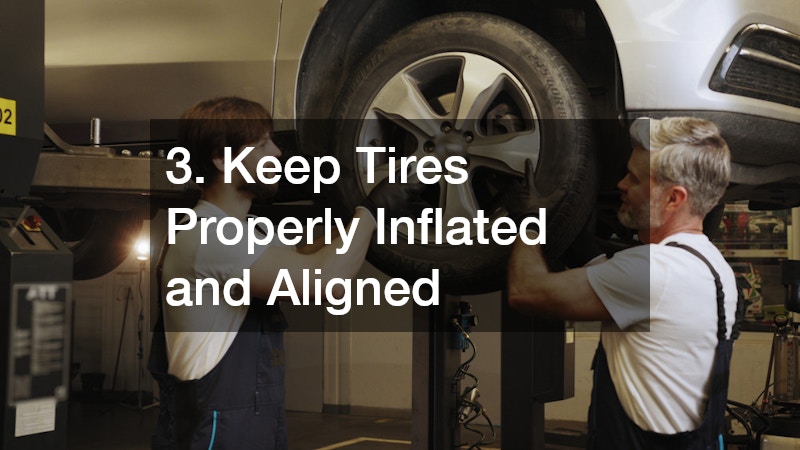
Tires are your vehicle’s only point of contact with the road, making proper inflation and alignment crucial. Underinflated or overinflated tires cause uneven wear, reduce fuel efficiency, and increase the risk of blowouts. Regularly checking tire pressure and adjusting according to manufacturer recommendations helps prevent premature wear and enhances safety.
Wheel alignment also plays a significant role in tire longevity. Misaligned wheels lead to uneven tread wear, affect handling, and put extra strain on suspension components. Many drivers overlook alignment checks, only noticing the issue when steering feels off-center or tires wear prematurely. Trusted local auto repairs can perform alignment inspections and adjustments to prevent unnecessary wear and tear.
Proper tire care not only preserves the life of your tires but also protects suspension and steering systems. Keeping tires in optimal condition improves handling, stability, and overall driving comfort. By addressing tire health proactively, you avoid avoidable repairs and maintain a safer driving experience.
4. Protect Your Car From Environmental Damage
Exposure to harsh weather and UV rays can accelerate paint and interior wear. Regular washing and waxing protect the exterior from corrosion, road salt, and other environmental factors. Investing in covered parking or car covers can also shield your vehicle from sun damage, hail, and tree debris.
Interior protection is equally important. Using sunshades and seat covers helps prevent fading and cracking in upholstery. Maintaining a clean interior also reduces dust and dirt accumulation, which can wear down fabrics and electronics. Professional services like car windshield replacements may become necessary if neglect leads to cracks or damage that compromises safety.
Taking preventative measures against environmental exposure not only keeps your vehicle looking newer longer but also preserves its resale value. Combining these protective steps with routine inspections ensures that minor issues are caught early, preventing small problems from developing into expensive repairs.
5. Use Quality Parts and Materials
Whenever repairs or replacements are needed, using high-quality components is crucial. Low-grade parts may be cheaper upfront but often lead to more frequent failures and additional costs. Whether replacing brake pads, filters, or suspension components, investing in reliable parts ensures durability and performance.
For owners of older or specialty vehicles, sourcing used auto parts from trusted suppliers can be an effective way to reduce costs without sacrificing quality. Certified used parts are often inspected and tested to meet safety and performance standards. Similarly, for specialty upgrades, working with a professional can ensure that parts are compatible and properly installed.
Choosing quality materials and components reduces the risk of early wear and supports long-term vehicle performance. It also decreases the likelihood of repeated repairs, saving money and time while maintaining safety and reliability on the road.
6. Protect Your Vehicle’s Security and Electronics
Modern vehicles rely heavily on electronic systems and security features. Installing a reliable auto security system helps prevent theft, tampering, and accidental damage that could lead to costly repairs. Protecting your vehicle’s electronics also ensures that essential components, such as sensors, audio systems, and engine controls, remain functional.
Ignoring vehicle security can lead to unintended damage from break-ins or vandalism. Repairs to electronic systems and modules are often expensive and time-consuming. Proactive measures, including alarms, immobilizers, and parking in secure areas, can prevent these problems before they occur.
Protecting your vehicle’s electronic systems complements regular maintenance, preventing premature wear of critical components. By investing in security measures, you maintain vehicle reliability and peace of mind, ensuring that your car continues to perform as intended over the long term.
7. Maintain Your Cooling and HVAC Systems
A properly functioning cooling and HVAC system is essential not only for maintaining cabin comfort but also for preventing engine overheating and long-term mechanical issues. Regular checks and maintenance of your radiator, coolant levels, hoses, belts, and AC components help avoid unnecessary strain on the engine, reduce the risk of breakdowns, and ensure consistent performance. Scheduling service with professionals for local auto repairs or specialized car audio services that include electrical inspections ensures that all HVAC components are working efficiently and safely. Ignoring minor issues in these systems can quickly lead to more significant problems that are costly to repair.
Additionally, installing auto window tinting can significantly reduce interior temperatures, minimizing heat buildup and lessening the workload on your cooling system. This helps your AC operate more efficiently, preserves interior materials from sun damage, and improves overall driving comfort. Neglecting these systems can not only reduce engine efficiency and fuel economy but also lead to premature failure of other critical components, causing a cascade of costly repairs.
Routine maintenance extends the lifespan of both cooling and HVAC systems while improving overall comfort, efficiency, and vehicle reliability. Addressing minor issues early prevents major breakdowns, reduces stress on related mechanical parts, and protects other systems from secondary damage caused by overheating or inadequate ventilation. Combined with auto window tinting, these proactive measures help maintain a cooler, safer, and more comfortable cabin, keeping your vehicle running smoothly and protecting it from unnecessary wear over the long term.
8. Protect Exterior Surfaces and Paint
Vehicle aesthetics are more than just cosmetic—they also play a critical role in protecting your car from long-term damage. Applying protective coatings, vehicle wraps, or wax helps shield the exterior from scratches, UV damage, road debris, and other environmental contaminants. Vehicle wraps can be particularly effective for high-traffic areas or frequently used vehicles, providing a durable barrier against minor abrasions, fading, and paint deterioration while maintaining a sleek appearance.
Owners of vintage vehicles often turn to classic car restoration experts to preserve original paint and bodywork while applying preventative coatings, ensuring their cars remain both beautiful and historically accurate. Neglecting exterior protection can accelerate wear on body panels, leaving your vehicle vulnerable to rust, paint peeling, and even structural damage over time. Minor scratches or chips that go untreated often expand or worsen, potentially requiring costly repairs, repainting, or panel replacement.
By investing in protective measures early, you preserve both the visual appeal and the long-term integrity of your car, ensuring it maintains value and looks great for years. Routine cleaning, protective coatings, vehicle wraps, and professional services such as classic car restoration work, significantly reduce environmental and everyday wear on your vehicle’s surfaces. These preventative steps are relatively inexpensive yet highly effective, helping to extend the life of exterior components, maintain resale value, and keep your car looking polished and well-maintained over time.
9. Monitor and Maintain Engine Performance
Regular engine checks and tune-ups are essential to prevent premature wear and ensure your vehicle operates at peak efficiency. Neglecting engine maintenance can lead to issues like clogged air or fuel filters, worn spark plugs, or deteriorating fluids, all of which reduce fuel efficiency, lower power output, and shorten the overall lifespan of your car. Visiting trusted engine performance shops ensures that comprehensive diagnostics are performed and that your engine receives the care it needs to run smoothly and reliably.
Consistent engine maintenance also helps prevent secondary problems that can be costly if left unchecked. For example, a poorly maintained engine can place undue strain on the transmission, lead to overheating, or cause other components to fail prematurely. Scheduling routine inspections allows mechanics to identify small concerns—such as minor leaks, worn belts, or early signs of component fatigue—before they escalate into serious issues that require expensive repairs or replacements.
Maintaining optimal engine performance not only enhances reliability and fuel economy but also improves the overall driving experience by providing smoother acceleration, consistent power delivery, and reduced risk of breakdowns. Proactive attention to engine health is one of the most effective ways to prevent unnecessary wear, protect critical systems, and ensure your vehicle delivers dependable performance over the long term.
10. Address Window and Glass Issues Promptly
Cracks or chips in windshields and windows may seem minor at first, but they can compromise structural integrity and worsen over time if left unaddressed. Even small imperfections can expand due to temperature fluctuations, vibrations from driving, or minor impacts, potentially leading to larger cracks that are more costly to repair. Early attention from professionals ensures that damage is assessed and repaired or replaced safely and effectively. Car windshield replacements are often necessary if minor chips spread, impair visibility, or affect the overall safety of the vehicle.
Delaying repairs increases the likelihood of accidents or further damage, as weakened glass can shatter unexpectedly. Vibrations, sudden stops, or temperature changes can exacerbate existing cracks, while improperly maintained windows can also interfere with proper sealing, letting in moisture or drafts. Properly maintained glass supports critical safety systems, such as airbags, which rely on a stable windshield for correct deployment in the event of a collision.
Addressing glass and window issues promptly not only prevents additional repairs but also preserves both the safety and aesthetic appeal of your vehicle. Timely service ensures that minor problems don’t evolve into major expenses, while maintaining clear visibility and structural integrity. Combined with other preventative measures, such as routine inspections and careful driving habits, this step helps ensure your car remains reliable, safe, and protected from unnecessary wear over the long term.
11. Towing and Emergency Preparedness
Unexpected breakdowns or accidents can accelerate wear if your vehicle isn’t handled properly. Using professional towing services ensures that your car is moved safely, minimizing further mechanical or body damage. Improper towing can strain the transmission, suspension, and tires.
Being prepared for emergencies also includes having a plan for roadside assistance, access to reputable mechanics, and awareness of nearby service centers. Proactive preparation reduces stress, prevents additional damage, and ensures timely repairs.
Towing and emergency readiness are often overlooked aspects of vehicle longevity. By planning ahead and relying on professional services, you protect your car from avoidable wear and maintain performance, even in unexpected situations.
Preventing unnecessary car wear and tear is a combination of proactive maintenance, mindful driving, and timely repairs. From routine inspections and engine tune-ups to protective measures like vehicle wraps, windshield care, and auto security systems, every step helps extend your vehicle’s life. Regular service from local auto repairs, engine performance shops, or specialized providers ensures small issues are addressed before they escalate into costly problems.
Neglecting minor repairs or protective steps often leads to accelerated wear, reduced performance, and expensive replacements. By implementing the 11 strategies outlined above, you can preserve your car’s reliability, maintain its value, and enjoy safer, more efficient driving. Taking action today saves money tomorrow and ensures your vehicle continues performing at its best for years to come.