How To Find a Reliable Auto Collision Center
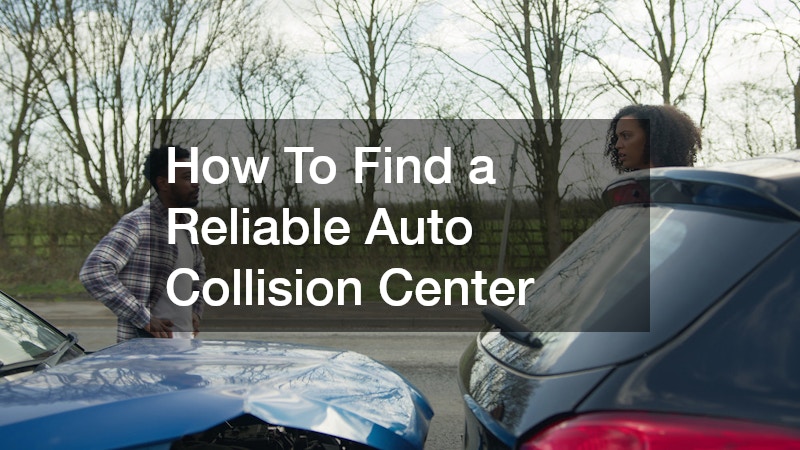
Getting into a car accident is one of the most stressful experiences a driver can face. Once the initial shock wears off and everyone is safe, you’re left with a damaged vehicle and the daunting task of making it whole again.
Whether you’re commuting down the 405 or navigating tight surface streets, finding an expert, reliable auto collision shop in Los Angeles, CA requires a bit of research. Not all repair facilities are created equal, and entrusting your vehicle to the wrong team can lead to unsafe structural repairs, peeling paint, and unexpected costs down the road.
Here is a comprehensive guide to finding a trustworthy collision repair center that will safely restore your vehicle to pre-accident condition.
1. Prioritize Industry Certifications
When evaluating potential repair shops, the first thing you should check is their technicians’ training and certifications. Automotive design has evolved dramatically, with modern vehicles featuring high-strength steel, aluminum body panels, and complex Advanced Driver Assistance Systems (ADAS) like automatic braking and lane-assist sensors.
Look for the following key credentials:
-
I-CAR Gold Class Certification: Inter-Industry Conference on Auto Collision Repair (I-CAR) certification indicates that technicians undergo rigorous, ongoing training on the latest vehicle repair techniques and safety protocols.
-
ASE Certification: Automotive Service Excellence (ASE) credentials ensure that individual technicians have proven their hands-on expertise in collision and mechanical repair.
-
Original Equipment Manufacturer (OEM) Certifications: Many luxury or electric vehicle brands (such as Tesla, BMW, or Audi) certify specific body shops that use specialized tools and factory-direct repair procedures.
Key Takeaway: A shop with verified certifications demonstrates a strong commitment to quality, safety, and modern repair standards.
2. Check Customer Reviews and Reputation
Online reviews offer an honest look into how a shop treats its customers and handles difficult repair situations. Look for shops on Google, Yelp, and the Better Business Bureau (BBB) that maintain high overall ratings across a large volume of reviews.
While reading reviews, pay attention to feedback regarding:
-
Communication: Did the shop keep the owner updated on project delays or parts availability?
-
Quality of Workmanship: Are past customers satisfied with the paint match and panel alignment?
-
Timelines: Did the shop deliver the vehicle on or near the promised date?
Beyond online feedback, word-of-mouth remains a powerful indicator. Ask friends, family, or your local mechanic for personal recommendations.
3. Compare Detailed Written Estimates
Never settle for the first quote you receive. Visit at least two or three collision centers to get detailed, written estimates. A transparent shop will provide an itemized quote breaking down:
| Cost Item | What to Look For |
| Parts | Clear distinction between OEM, aftermarket, or reconditioned parts. |
| Labor | Estimated hours and hourly labor rate for body, paint, and frame work. |
| Paint & Materials | Breakdown of paint, clear coat, and finishing supplies. |
Be cautious of quotes that seem suspiciously low. A significantly lower estimate often means the shop is cutting corners—such as skipping necessary structural calibrations, using cheap filler, or employing untrained labor.
4. Ask About Warranties
A reputable collision center will stand behind its work with a written warranty. Ask the shop manager directly about their warranty terms before signing a repair authorization.
The standard for top-tier collision centers is a lifetime warranty on bodywork and paint for as long as you own or lease the vehicle. If a shop only offers a 30-day or 90-day warranty, consider it a red flag regarding their confidence in their materials and labor quality.
5. Understand Your Insurance Rights
After an accident, your insurance company may provide a list of “preferred” or Direct Repair Program (DRP) shops. While these network shops offer convenience and streamlined billing, you are not legally obligated to use them.
California law gives you the right to choose any licensed repair facility to work on your vehicle. A reliable independent auto collision shop in Los Angeles, CA will gladly communicate with your insurance adjuster, handle supplemental damage claims, and advocate for factory-standard repairs on your behalf.
6. Inspect the Facility in Person
Before handing over your keys, take a close look at the shop itself. A well-run repair center should maintain an organized, clean workspace and a professional front office.
When you speak with the staff, assess their customer service:
-
Are they willing to patiently explain the repair process to you?
-
Do they answer your questions regarding parts, timelines, and safety checks without rushing?
-
Do they present a clear plan for post-repair quality inspections?
Trusting your instincts is key—if a shop feels chaotic, disorganized, or secretive about its pricing, it’s best to keep looking.
Final Thoughts
Finding a dependable collision center takes a bit of diligence, but it pays off in peace of mind and vehicle safety. By verifying technical certifications, comparing itemized estimates, reading verified customer feedback, and confirming warranty coverage, you can confidently choose a shop that will get you back on the road safely. Take your time, ask the right questions, and partner with a team dedicated to restoring your car to its peak condition.